Why Linen Stands Out
Linen has earned its reputation for staying cool in warmer months and aging with a unique, lived-in appeal. Its cool hand feel, breathability, and durability come from a natural fiber that transports moisture efficiently and becomes softer with use. Unlike many synthetic or blended fabrics, linen carries a quiet storytelling aura—an invitation to slow down and savor textures, subtle wrinkles, and the quiet geometry of a well-made bed or throw.
For the modern home, linen is not merely a material; it is a lifestyle choice. Its understated presence complements a calm, nature-inspired aesthetic—one that aligns with the liminal branding of limontalinen.com: a space that values craft, sustainability, and approachable expertise.
Fiber Properties: What Makes Linen Different
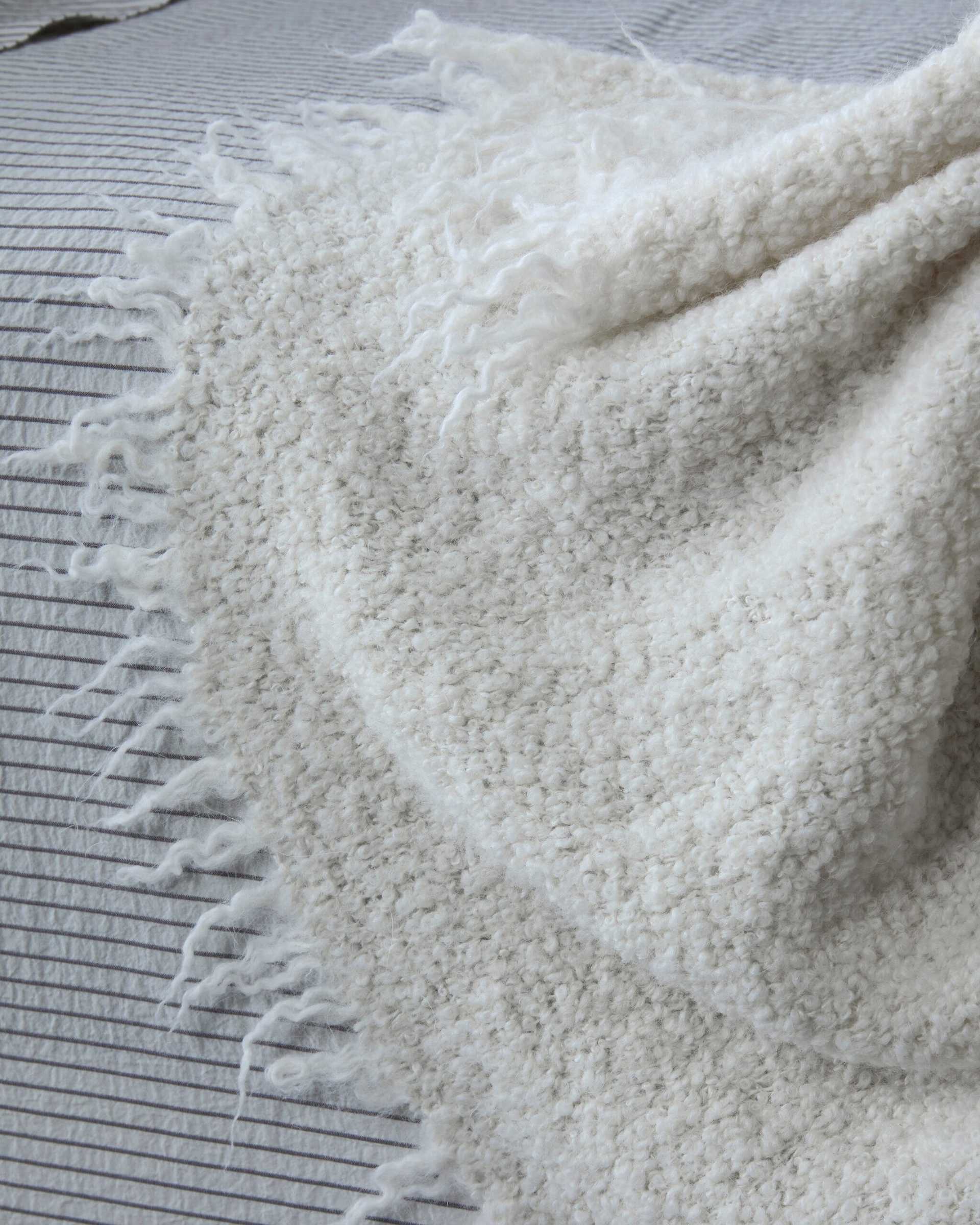
Linen fibers come from the flax plant. They are longer, stronger, and more absorbent than many other natural fibers, which translates into textiles that feel crisp but soft over time. The linen’s natural irregularities—the tiny slubs and the gentle variegation—are not flaws but a signature of authenticity. Linen’s breathability helps regulate temperature, making it an ideal choice for sheets, bedding, and woven accents.
Two key properties to understand when caring for linen are hygroscopicity (its ability to absorb moisture) and its thermo-regulating behavior. Linen can pull sweat away from your skin and release it as you warm up, which contributes to a more comfortable sleep environment. When you know this, you can tailor washing and drying to preserve its structure and texture longer.
Everyday Care: Quick Routines That Work
Care routines for linen don’t have to be elaborate. The aim is to preserve softness, minimize pilling, and maintain color over time. Here are practical, non-technical guidelines that fit busy lives and everyday use:
- Washing: Use a mild detergent and water that isn’t excessively hot. For most linen textiles, cool to warm water is sufficient. Avoid chlorine bleach, which can undermine the fiber’s strength.
- Drying: Linen dries more quickly than heavier fabrics. If you use a dryer, opt for a low heat setting and remove items while they retain some moisture to reduce excessive wrinkling. Alternatively, line dry for a classic, natural finish.
- Ironing and Wrinkles: Linen’s natural wrinkle character is part of its charm. If you prefer a crisper look, iron while damp using a hot iron. For certain pieces, a light touch with a steam iron can refresh without scorching.
- Storage: Keep linen pieces in a cool, dry place. Avoid plastic wrapping for extended periods, which can trap moisture and cause mildew or musty odors.
Linen vs Other Natural Fibers: A Practical Comparison
In our bedding and textiles, linen often sits alongside cotton, wool, and blends. Linen’s special strengths include moisture-wicking and temperature regulation, which make it a preferred choice for sheets and bed covers in varied climates. Cotton offers a different hand-feel—soft and plush, with excellent dye uptake—while wool provides warmth and a natural insulating layer. Understanding these differences helps shoppers align fiber properties with climate, lifestyle, and maintenance preferences.
Three Influential Figures Who Shaped Linen and Textiles
Throughout history, three notable individuals have left a mark on textiles, linen production, and sustainable craft. Their ideas and work continue to influence design and care philosophy today.
1) Florence Nightingale (1820–1910) — A Pioneer for Clean Comfort
Florence Nightingale, best known for revolutionizing nursing, also influenced textile care practices through a holistic approach to patient comfort. Her advocacy for clean, breathable fabrics in healthcare settings underscored the link between textile choice and well-being. Nightingale’s enduring emphasis on hygiene, simplicity, and durability resonates with linen care principles: choose fabrics that perform well under daily use and are easy to maintain. Her legacy reminds us that good design in textiles is not merely aesthetic; it is functional and humane.
2) Anni Albers (1899–1994) — Weaving as a Language of Modernity
Anni Albers helped redefine weaving as a modern, expressive medium. Her work in the Bauhaus era elevated textiles from craft to modern art, emphasizing the social and aesthetic values of woven materials. Albers’ philosophy encourages readers to appreciate the geometric rhythm of linen plains, jacquards, and waffle textures as part of a broader design conversation. Her influence echoes in the careful attention to weave structure in linen products and the timeless appeal of well-made bed coverings and textiles that marry form and function.
3) Ruth Singer (1920s–1980s) — Craft Preservation and Textile Education
Ruth Singer championed the importance of textile education and handmade craftsmanship. Her work in documenting traditional techniques and advocating for accessible knowledge has inspired generations of makers to respect fiber properties and historical methods. Singer’s approach aligns with the Direction A focus on educational content: demystifying textile science, offering practical guidance, and connecting readers with historical context to deepen appreciation for natural fibers like linen.
Product Spotlight: Bernardo Valet Stand by Society Limonta
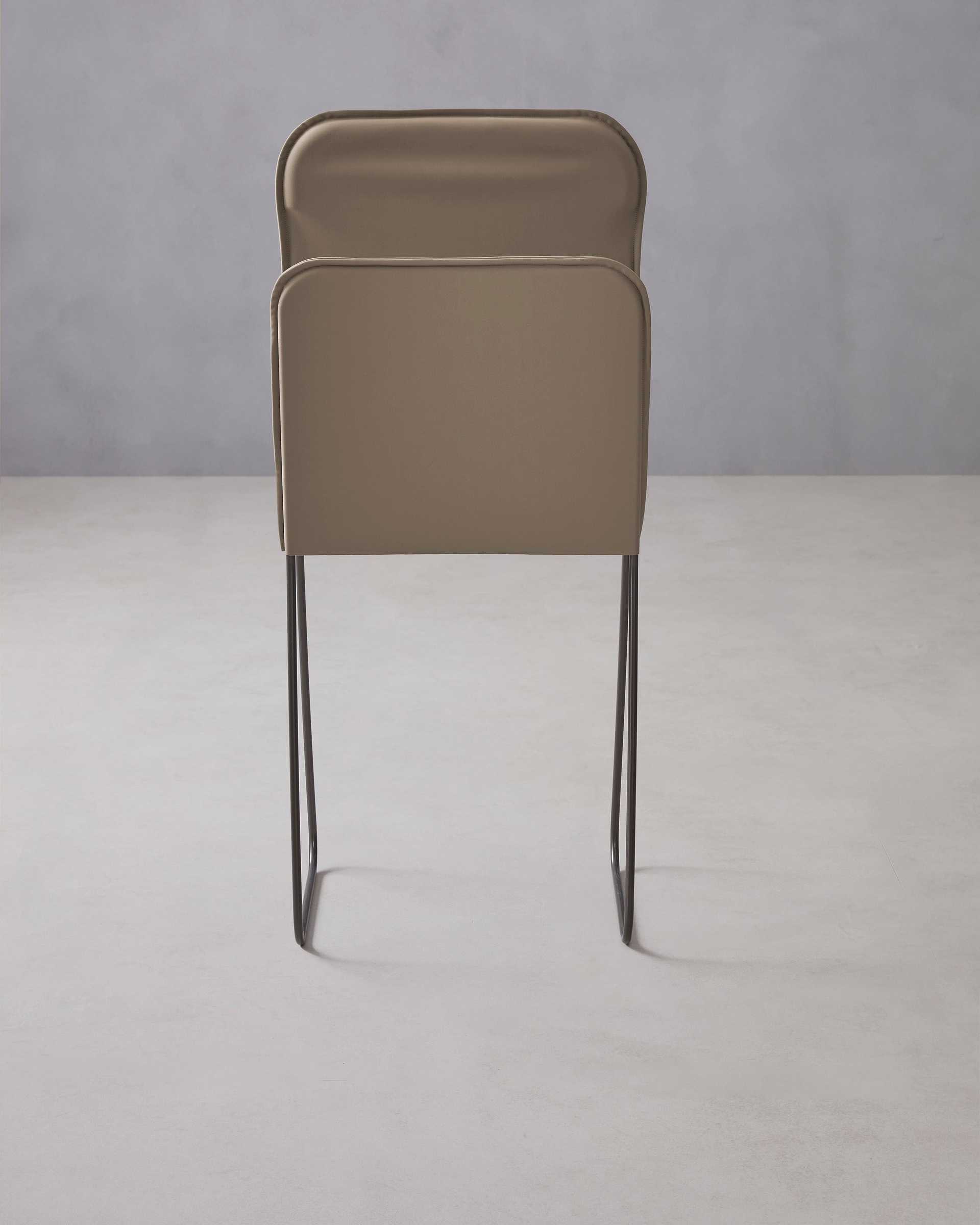
In a space devoted to calm, well-made textiles, a well-chosen accessory can elevate the whole room. The Bernardo valet stand from Society Limonta is a refined example of form meeting function. Built with an iron frame and paired nylon fabric, it offers a practical garment-support solution that easily integrates with linen-rich bedroom aesthetics. The nylon fabric is washable, making maintenance straightforward—an alignment with everyday care principles that we champion on limontalinen.com.

Bernardo Valet Stand
Brand: Society Limonta
Material: nylon 100% with iron frame
Care: nylon fabric washable in a household machine
Care Myth-Busting: Common Linen Care Misconceptions
Like any beloved material, linen carries a few myths that can lead to wear or disappointment. Here are clarifications to help you approach linen care with confidence:
- Myth: Linen must be ironed to look pristine. Reality: Linen’s natural character includes wrinkles that tell a story of use and comfort. If you prefer a near-crisp finish, a quick iron on high heat while slightly damp does the trick.
- Myth: Hot water is best for cleaning linen. Reality: For most linen textiles, cooler temperatures suffice and gentle detergents protect fiber integrity. Reserve hot water for heavily soiled items if necessary.
- Myth: Linen colors fade quickly. Reality: Linen dyes can be colorfast when treated with care—avoid prolonged sun exposure and use garment-dyed finishes as described by the Rem line and other peers in the linen family to preserve tones longer.
Glossary: Quick Reference for Linen Terms
To empower ongoing exploration, here are essential terms you’ll encounter when delving into linen and textiles:
- Froissé: A soft, puckered surface texture that adds depth and character to linen fabrics.
- Gusset: A piece inserted in cushions or pillows to create fullness and shape.
- Percale: A tight, crisp weave often used for bed linens offering a cool feel.
- Garment-dyed: A coloring process that yields rich, nuanced hues and a lived-in look.
- Jacquard: A weaving technique that creates intricate patterns and textures.
Closing Thoughts: Linen as a Daily Ritual
In the end, linen care is about cultivating a daily ritual that respects materials and supports sustainable living. Linen’s enduring appeal lies not only in its natural beauty but in a care philosophy that emphasizes simplicity, durability, and mindful use. By embracing practical care routines, understanding fiber properties, and appreciating linen’s tactile language, you invite a space that feels calm, grounded, and inherently authentic.
This article is produced in collaboration with Society Limonta and the broader linen community. For further reading, explore the Learn and Resources sections of limontalinen.com for deeper dives into Linen 101, Care & Maintenance, Techniques, and History.