Bedding · Styling Guide
Euro Shams in Textured Linen: Scale, Color, and Placement
A thoughtfully arranged bed can feel polished without looking overly styled. Euro shams bring height and structure; linen brings a relaxed, tactile finish. The key is to balance their size, color, and placement with the rest of the bedding.
Euro shams do a particular kind of quiet work. Set upright at the back of a bed, they create a broad, welcoming backdrop for sleeping pillows, a duvet, and the softer layers in front. Their generous square shape can make a bed feel composed even when the rest of the room is calm and unfussy. In textured linen, that structure gets an appealing counterpoint: a surface with natural variation, gentle creases, and a lived-in character.
Getting the look right is less about piling on pillows than making a few deliberate decisions. Check the sham dimensions against the pillow inserts and the bed. Consider whether the color should blend with your sheets or offer a subtle shift. Then place the shams so they frame the bed rather than overwhelm it. These simple choices help textured linen Euro shams feel integrated, not like an afterthought.
For anyone coordinating Society Limonta sheets or other natural-fiber bedding, the goal is not necessarily a perfect match. It is a considered relationship between materials: smooth beside crinkled, pale beside deeper tones, and structured beside soft. A bed can look collected and inviting while still feeling easy to live with.
Why Euro shams change the shape of a bed
A Euro sham is a square pillow cover, commonly used as a decorative or supportive layer at the head of the bed. Exact dimensions vary, so it is worth checking the cover and insert measurements before buying or arranging them. Their square silhouette provides a taller visual plane than standard sleeping pillows, which are usually positioned horizontally. That difference creates a natural backdrop and helps define the bed as the room’s focal point.
The effect depends on the scale of the bed and the headboard. On a wide bed, a pair of Euro shams may leave generous space at the sides, while a row of three can create a fuller, more continuous band. On a narrower bed, two large squares can be enough to establish height without crowding the sleeping pillows in front. There is no universal rule: the arrangement should feel proportionate to the mattress, the headboard, and the amount of space around the bed.
Texture helps that shape read clearly. Linen’s surface is not perfectly uniform, and the small shifts in weave and finish catch light differently from smooth cotton. That variation gives a large pillow a sense of depth without requiring a strong print or dramatic color. The result is a useful balance: the sham supplies the outline, while the fabric keeps the outline from feeling stiff.
Start with proportion, not pillow count
Before deciding how many Euro shams to use, look at the bed from the doorway and from the side. The arrangement should relate to the width of the mattress and the visible height of the headboard. If the shams stretch nearly from edge to edge, they may make the bed feel crowded. If they occupy only a small central section, the upper part of the bed can look unfinished. A little breathing room on each side often makes the composition feel intentional.
Next, consider depth. A plump insert can make a sham stand upright and create a more substantial backdrop, while a softer insert gives it a relaxed, less formal profile. Neither is inherently better. A tailored room may benefit from a fuller shape; a laid-back bedroom may suit a pillow that gently slouches. Aim for an insert that fills the cover without straining its seams or leaving visibly empty corners.
Remember that the sham is one layer in a stack. Sleeping pillows usually sit in front, and a duvet or cover adds another horizontal line across the bed. If the back row is very tall and the front row is bulky too, the whole arrangement may compete with the headboard. Try removing one pillow or lowering the height of the front layer before adding more. Often, editing is what makes the finished bed feel more generous.
The headboard matters, too. A low headboard leaves more wall visible and can make a tall row of shams feel especially prominent. A tall or visually detailed headboard may already provide structure, so a restrained pillow arrangement can be more effective. In a room without a headboard, Euro shams can supply some of that visual anchoring, but keeping the number and colors controlled helps the bed feel grounded rather than piled up.
Make texture the detail that ties everything together
Textured linen has presence, but it does not have to dominate. Think of it as a material that makes a restrained palette more interesting. A plain sham in a warm neutral can show the movement of the weave, while a soft, washed color can make that texture appear more pronounced. Because the surface already provides detail, it pairs naturally with simpler bedding and can bring dimension to a bed without relying on busy patterns.
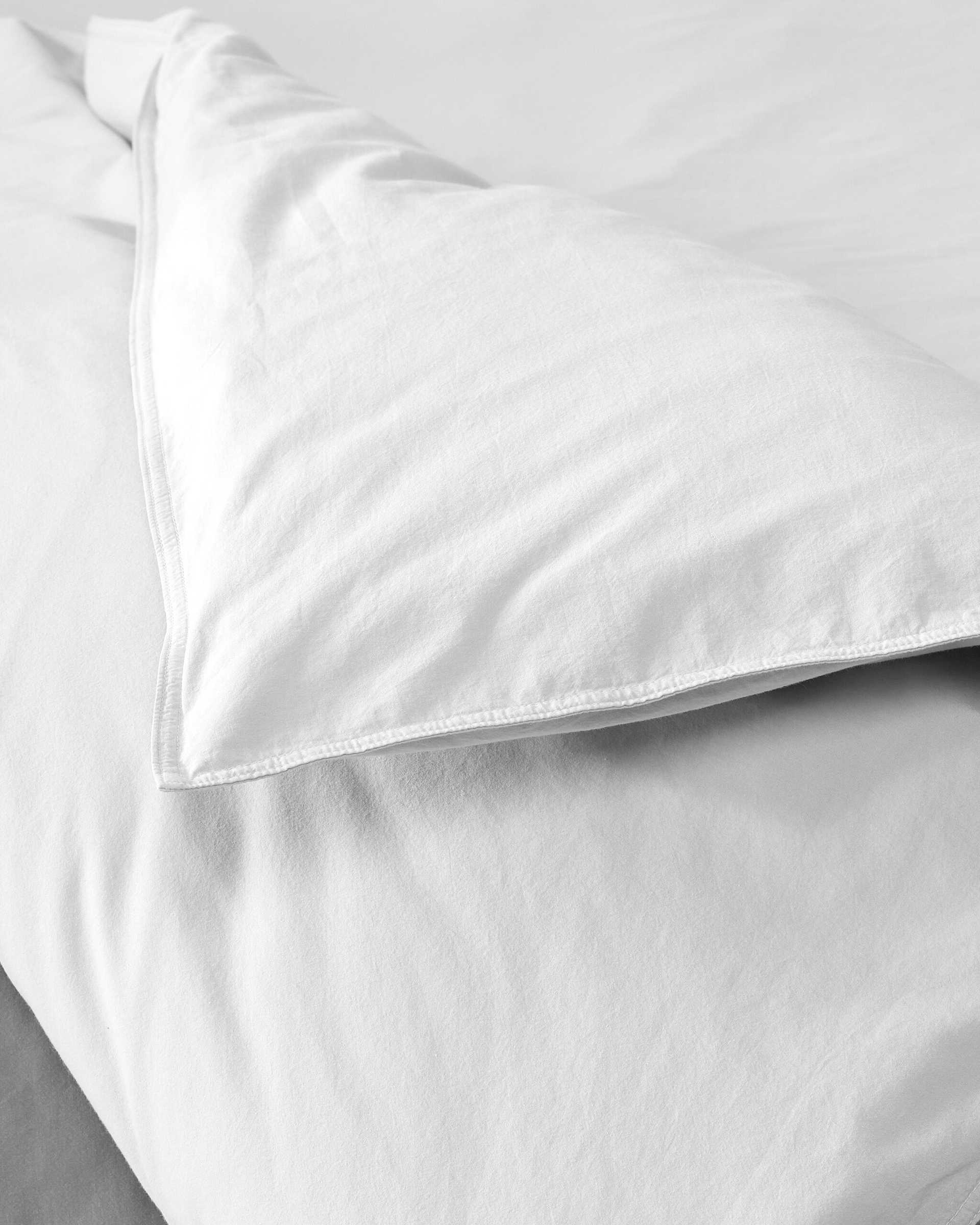
Texture contrast works best when the differences are clear but not chaotic. Linen Euro shams can sit beside smoother cotton sheets, or contrast with a duvet cover that has its own subtle surface. Society Limonta’s Tale Duvet Cover, for example, is made from garment-dyed percale cotton. Its description highlights a textured, cosy look and added color depth, making it a possible companion for linen shams when the tones are chosen with care. The aim is not to make every textile feel identical; it is to let each one contribute a different, compatible quality.
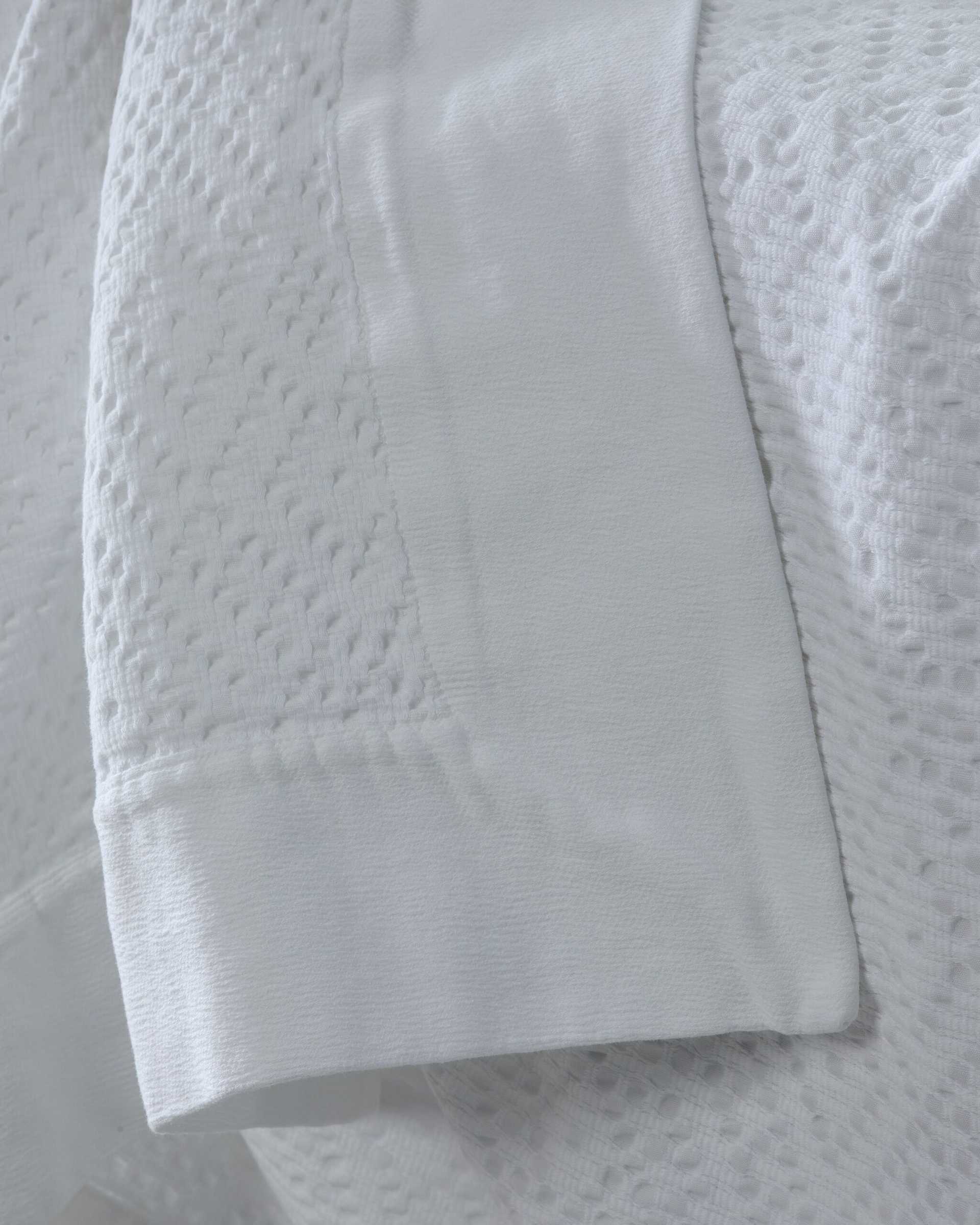
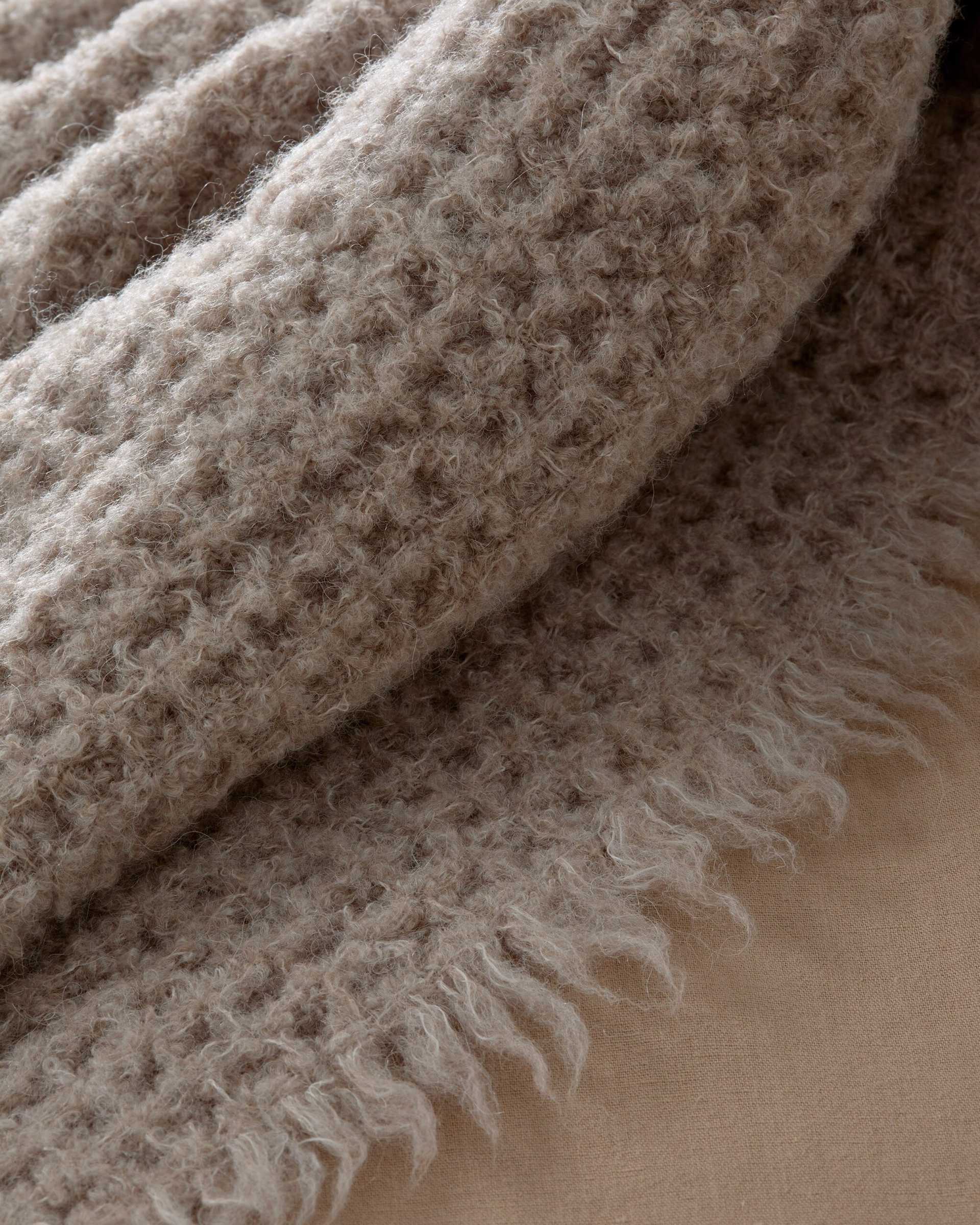
One useful approach is to limit the bed to two or three noticeable textures. A linen sham, a cotton sheet, and a softly textured duvet may be plenty. Add a pronounced waffle weave or a richly nubby throw, and the bed may start to feel visually busy. Society Limonta’s Tex Bedcover has a three-dimensional cotton waffle weave, so it can provide a stronger tactile accent. If it is part of the arrangement, keep other layers comparatively quiet and allow that texture to have room.
There is also a practical pleasure in choosing fabrics that do not demand a perfectly crisp finish. Linen’s softly irregular appearance is part of its appeal; a few natural creases can make a bedroom feel more personal. Instead of trying to iron every fold away, focus on clean lines where they matter: the alignment of the shams, the way the duvet falls, and the balance of color across the bed.
Choose a color relationship: blend, contrast, or bridge
Color is where a pair of Euro shams can either disappear beautifully into a scheme or give it a quiet focal point. Begin by looking at the largest bedding surfaces—the sheets and duvet or bedcover. Then decide what role the shams should play. They can blend into those colors, create a measured contrast, or act as a bridge between separate tones in the room.
1. Blend for a calm, continuous bed
For a restful, tonal effect, choose shams close to the color of the sheets or duvet. A small difference in shade keeps the surfaces from appearing flat: cream against warm white, muted gray against pale blue-gray, or a soft natural tone alongside a similar neutral. Linen’s texture provides enough variation to distinguish the shams even when the colors sit close together. This is a particularly effective choice in a small room or one with patterned wallpaper, where a quieter bed can help the space feel settled.
2. Contrast with restraint
A restrained contrast can sharpen the bed’s outline without making it feel theatrical. Think of a darker neutral against pale sheets, or a muted color against a warm white duvet. The contrast does not need to be dramatic; a modest change in depth can make the Euro pillows read clearly from across the room. When working with several colors, keep one of them dominant and let the others play supporting roles. A single accent can feel deliberate; a collection of unrelated accents can make the bed harder to read.
3. Use a bridge color for cohesion
If the room already contains several colors—in a rug, curtains, painted wall, or upholstered headboard—look for a shade that connects two of them. A sham in a softened, mid-tone color can link a light duvet to a darker headboard, for example. The connection need not be an exact match. In fact, slight variation often gives a room a more natural, layered look than coordinating every item to the same precise shade.
Lighting can change how all of these choices appear. Natural daylight, warm lamps, and cooler overhead lighting can make a fabric look different at different times of day. If possible, consider the bedding in the light the room actually receives. A color that looks crisp under bright daylight may feel deeper and warmer at night. That shift is part of choosing fabric for a real bedroom rather than a single carefully styled moment.
Placement that feels polished, not overly arranged
The classic arrangement places Euro shams at the back, leaning against the headboard, with sleeping pillows in front. It is simple because it respects the natural scale of each layer: large squares establish height, and narrower pillows supply the practical front row. Keep the shams close enough that they read as a pair or a coherent group, but avoid compressing them so tightly that their shapes distort.
How upright they sit changes the mood. A crisp, nearly vertical placement feels more formal. A slight angle softens the line and makes the bed look approachable. If there is no headboard, the shams can be set against the wall, but leave enough room for them to hold their shape rather than being squeezed into a corner. The arrangement should be easy to reset after use; elaborate stacking that takes several minutes each morning rarely suits an everyday bedroom.
For a symmetrical look, align the shams carefully and keep their top edges at a similar height. Symmetry can make a bedroom feel calm and orderly, especially when the bed is centered on the wall. But it does not require identical accents on both sides of the room. A reading lamp, bedside table, or small decorative object can introduce variation elsewhere without disrupting the pillow arrangement.
An intentionally relaxed arrangement can work just as well. The shams might sit at slightly different angles, or one may overlap the other by a small amount. Keep the variation subtle enough that the bed still looks considered. Uneven placement is most successful when the color palette and materials are already cohesive; that gives the eye a few steady elements to hold on to.
Finally, consider how the arrangement works at bedtime. Decorative pillows should be easy to move and easy to return to the bed. If the Euro shams are purely a backdrop, they can remain in place while you remove the sleeping pillows. If they are comfortable enough to use for reading or lounging, position them so they are accessible rather than wedged behind a dense row of cushions.
A practical order for building the bed
When experimenting with a new combination, work from the largest layer to the smallest. This makes it easier to see what is missing and helps prevent over-accessorizing.
- Set the foundation. Put on the sheets and spread the duvet or bedcover as you normally would. Notice the dominant colors and how much of each surface is visible.
- Add the Euro shams. Place them against the headboard, then step back. Check their scale and whether their color supports the bedding rather than competing with it.
- Arrange sleeping pillows. Set them in front and make sure the bed still feels usable. If the layers look too tall, reduce the number of pillows before changing everything else.
- Introduce one optional accent. A smaller cushion or folded throw can add another note, but it should have a purpose—color, comfort, or texture—not simply fill empty space.
- Edit and live with it. Look at the arrangement in daylight and evening light. Remove anything that feels fussy or inconvenient, and keep the combination that works for ordinary mornings as well as a made bed.
This sequence keeps the decisions manageable. Instead of choosing every textile at once, you can assess the palette and texture at each stage. It also makes it easier to refresh the bed seasonally: a different duvet or throw can change the mood while the linen shams remain a dependable foundation.
Common styling missteps—and easy fixes
Shams that are out of scale. A cover that is too small for its insert can look strained, while an undersized insert may leave the corners limp. Confirm the measurements and choose an insert intended to fill the cover comfortably. If the pillows feel too imposing, reconsider the count or placement rather than trying to hide them behind more layers.
Too many competing surfaces. A textured sham, a strongly patterned sheet, a highly dimensional cover, and a chunky throw may each be appealing on their own. Together, they can blur into visual noise. Keep one or two textures prominent, and let the rest of the bed provide a quieter backdrop.
Color matching that feels overly exact. Bedding does not need to be a single shade from top to bottom. A slight tonal shift makes layers visible and gives the room character. If a close match looks flat, introduce a neighboring tone or let the linen’s surface create the contrast.
Decorative rows that are hard to use. A bed can look beautifully arranged and still be frustrating if it takes too long to clear each night. Keep the number of pillows within what you genuinely want to handle. A simple, repeatable setup often looks more confident than an elaborate stack.
Ignoring the room around the bed. The pillow arrangement is part of a larger picture. A busy wall, bold headboard, or patterned rug may call for quieter shams. In a spare room, more texture or a slightly deeper color can add welcome definition. Step back and consider the whole space, not just the bedding close up.
Care and everyday ease
Textured linen is appealing partly because its relaxed surface does not ask to look perfectly pressed. Follow the care information supplied with the specific sham, since finishes and construction can differ. As a general habit, avoid assuming that every linen item can be laundered or dried in exactly the same way. Separate colors as appropriate, use the recommended wash settings, and make sure the covers are fully dry before storing them.
Rotating or airing bedding can help keep the bed feeling fresh between washes, while a compatible pillow protector may provide an additional layer between an insert and its sham. When the shams are not in use, store them clean and dry, with enough room to avoid crushing their shape. These small practices help preserve both the fabric and the ease that makes natural-textile bedding attractive in the first place.
Care is also part of the styling decision. If a particular color or finish requires special attention, think about whether that suits your routine. An inviting bedroom should not depend on a complicated maintenance ritual. The best arrangement is one that looks good and feels manageable on an ordinary day.
The finishing touch is knowing when to stop
Euro shams are most effective when their size and texture support the bed rather than take it over. Begin with proportion, choose a color relationship that suits the room, and let linen’s natural surface provide the tactile interest. Then place the shams with enough structure to frame the bed and enough ease to keep the arrangement inviting.
Whether you pair textured linen with understated sheets or with the color-rich, garment-dyed look of Society Limonta bedding, a cohesive result does not depend on making every layer identical. It comes from giving each material a role. Let the shams create height, let the sheets provide a comfortable foundation, and let a duvet or bedcover introduce another note of texture only if the composition needs it.
The result can be polished without being precious: a bed with a clear shape, a calm palette, and enough variation to feel personal. That is the small pleasure of getting the details right—and the reason a few well-chosen pillows can change the feeling of the whole room.