Bedding & Styling
How to Choose Decorative Pillows by Texture, Shape, and Scale
A few thoughtfully chosen pillows can make a bed or sofa feel finished without making it feel crowded. The secret is less about following a fixed formula and more about balancing proportions, mixing tactile surfaces, and giving every shape room to do its job.
Begin with the furniture, not the pillow
Decorative pillows are small objects with a surprisingly big visual presence. They can soften a tailored sofa, bring color to a quiet bedroom, or introduce a welcoming layer to a neatly made bed. But before choosing a fabric or falling for an appealing shape, look at the furniture they will sit on. The dimensions, depth, and lines of a sofa or bed provide the scale that the pillows need to complement.
On a broad bed, very small cushions may disappear against the expanse of bedding. On a compact loveseat, several oversized pillows can take over the seat and leave little practical room. The same principle applies to a bedroom: pillows should relate to the width of the mattress and the height of the headboard, while still leaving the bed comfortable to use.
Start by asking what the pillows are for. Are they mainly decorative, or should they support your back while reading or make a sofa more comfortable for everyday lounging? A pillow that will be moved and used often needs a manageable size and a cover that suits regular handling. A more ornamental arrangement can include a distinctive shape or delicate finish, provided it does not interfere with how the room functions.
It helps to treat the furniture as a frame. A long sofa can support a balanced grouping at each end, while a small chair may need just one cushion. A bed can accommodate a more layered arrangement because its surface is wider, though the number of pillows should still make sense for the people who sleep there. There is no ideal count for every room. The right arrangement is the one that looks composed and can be easily cleared or adjusted when the furniture is in use.
Use shape to create rhythm
Square pillows are a natural starting point: their familiar proportions are easy to arrange, and they work well in both symmetrical and relaxed settings. Rectangular pillows, often called lumbar pillows, add a contrasting horizontal line. Pairing the two shapes creates visual variety without requiring a complicated color scheme.
On a sofa, a square cushion can establish the main layer, while a smaller rectangular one in front gives the arrangement a clear focal point. On a bed, squares can sit behind a more elongated accent pillow, or a single rectangle can break up a row of similarly sized cushions. The contrast is subtle, but it makes the arrangement feel considered rather than like a collection of identical pieces.
Round, bolster, or other sculptural forms can bring a softer note to a room full of straight lines. They tend to attract attention, so use them with intention. A single unusual silhouette may be more effective than several competing shapes. Consider how a curved pillow will relate to the furniture: it can soften a squared-off headboard or echo rounded details already present in a chair, lamp, or table.
Shape should also reflect how a pillow will be used. A rectangular cushion can work well behind the lower back on a sofa, while a square one may be more versatile for leaning against. A round or heavily embellished cushion may make a charming accent, but it may be less practical as a daily support pillow. If comfort matters, think about where the pillow will sit and whether its size and construction make sense for that position.
When combining shapes, give each one a role. One establishes the foundation; another introduces contrast; a third, if needed, adds a finishing note. This simple hierarchy helps prevent an arrangement from feeling busy. If every pillow has a different silhouette and equally strong presence, the eye has no clear place to settle.
Let texture do more than color
Color gets attention first, but texture is often what makes a pillow arrangement feel inviting. A smooth cotton cover beside a nubby weave, a softly brushed fabric against crisp bedding, or a subtle raised pattern beside a plain surface can create depth without introducing a new color. This is especially useful in rooms built around a restrained palette of whites, creams, grays, or natural tones.
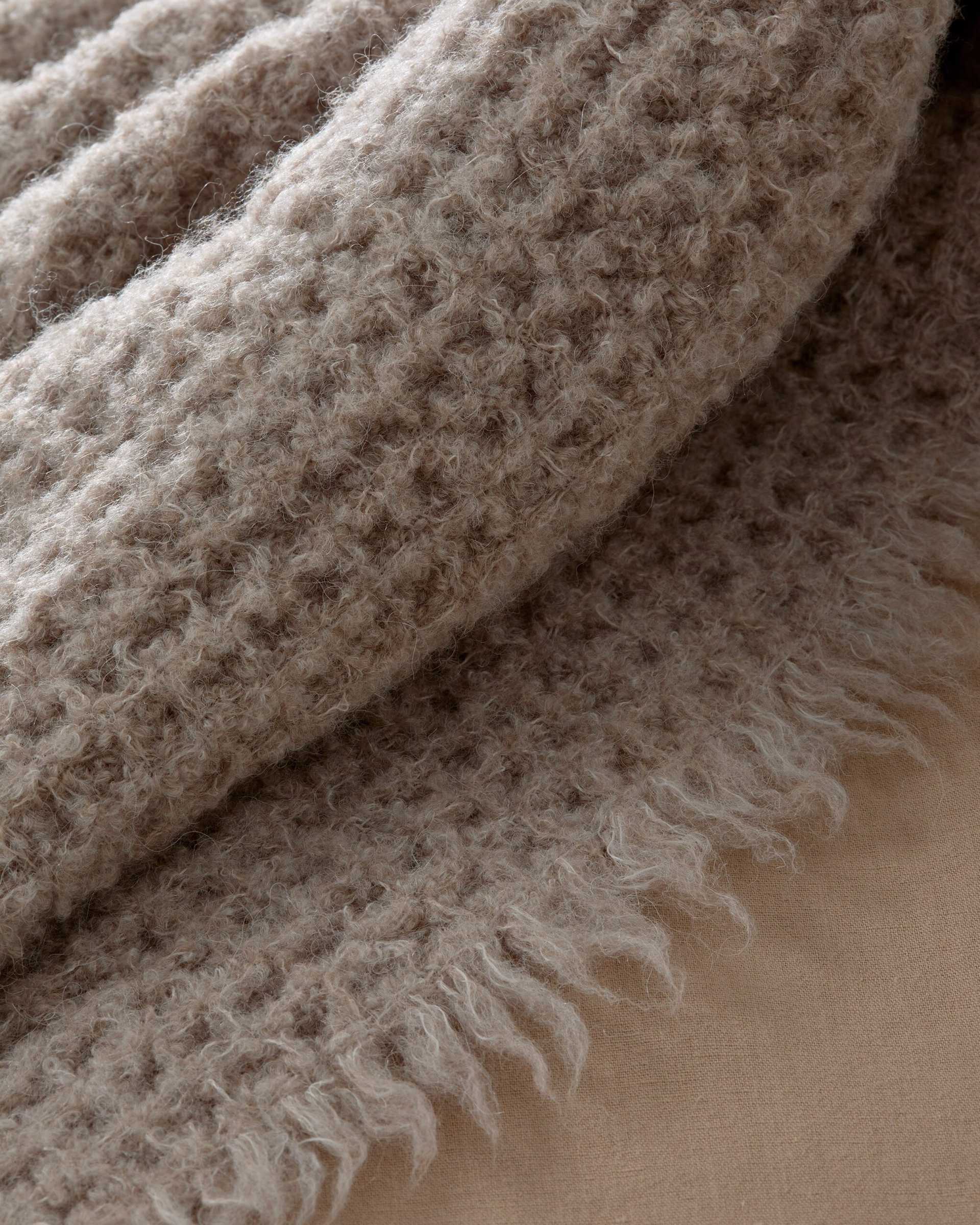
Think about the fabrics already in the room. A pillow does not sit in isolation: it shares space with upholstery, curtains, bedding, and perhaps a throw. If the sofa has a pronounced woven texture, a highly textured cushion may blend in rather than stand out. A smoother surface could provide a clearer contrast. On a plain cotton duvet, a pillow with a bouclé-like, quilted, or woven finish can add a tactile point of interest.
Contrast does not have to mean opposites. Two fabrics can feel distinct while remaining harmonious if they share a similar color temperature or overall softness. For instance, a softly textured accent can sit comfortably beside a smooth cover in a related neutral shade. The difference in surface gives the eye something to notice, while the palette keeps the composition calm.
Pay attention to how texture changes the perceived weight of a pillow. A thick, highly nubby fabric may look substantial even when the pillow is modest in size. A fine, smooth fabric can appear lighter and more understated. This matters when balancing a group: several bulky surfaces can make a small sofa feel visually heavy, while a mixture of smoother and more pronounced textures creates more breathing room.
Texture is tactile as well as visual, so consider the way a fabric will feel against skin and clothing. A pillow used for lounging should be pleasant to lean against, not merely attractive from across the room. On a bed, accent cushions may be handled less often, but they still benefit from finishes that feel comfortable and are suited to their intended use. Always check care guidance for the particular cover and filling, especially when a piece has a delicate weave or distinctive surface.
Find a proportion that feels right
Scale is the relationship between a pillow and the furniture around it—and between the pillows in a group. A cushion can be beautiful on its own yet feel awkward if it is too large for the seat, too small for the bed, or out of proportion with its companions. The goal is not mathematical perfection. It is a composition that feels balanced at a glance and remains comfortable in everyday life.
For a sofa, compare pillow dimensions with the usable seat area. Leave enough space for people to sit naturally, and avoid stacking so many cushions that they have to be removed before the sofa can be used. A deep sofa can usually carry larger pillows than a shallow one, but the back cushions and seat depth matter too. When in doubt, begin with fewer pieces and add only if the arrangement needs more softness or visual interest.
On a bed, consider the mattress width and the visual weight of the headboard. A wide bed can support a broader arrangement, but a tall or heavily upholstered headboard may already command attention. In that case, keep the pillow display simpler. If the bed has a low, minimal frame, a few generously scaled cushions can add definition without overwhelming the room.
Varying size can make an arrangement feel layered, but the differences should be visible enough to read. A tiny change in dimensions may look accidental, while an enormous jump can make the smallest pillow seem misplaced. Think in terms of a large foundation, a medium companion, and, if appropriate, one smaller accent. The pieces should relate clearly, even when they are not identical.
Check the arrangement from more than one distance. Stand back to see how the pillow shapes and colors sit within the whole room, then move closer to assess texture, seams, and comfort. A grouping that looks balanced from the doorway may feel cumbersome when you sit down. Good pillow styling works from both perspectives.
Build a palette with a clear point of view
A coordinated arrangement does not require every pillow to match. In fact, a room can feel more personal when a few related colors and finishes are combined rather than repeated exactly. Choose a starting point already present in the space—a duvet, rug, sofa, or curtain—and use it to guide the accent palette.
One approach is to keep the colors close and let texture create the contrast. This produces a quiet, cohesive look that can suit a bedroom where restfulness is the priority. Another is to introduce one stronger accent against a mostly neutral background. A single pillow in a richer shade can give the room a focal point, particularly when that color appears in a smaller detail elsewhere.
Patterns deserve the same attention to scale. If the bedding or upholstery already features a prominent motif, a plain pillow or one with a restrained texture can provide a pause. If the room is mostly solid, a patterned accent can add character. Combining patterns is possible, but vary their scale and keep a color connection between them so the arrangement feels deliberate rather than noisy.
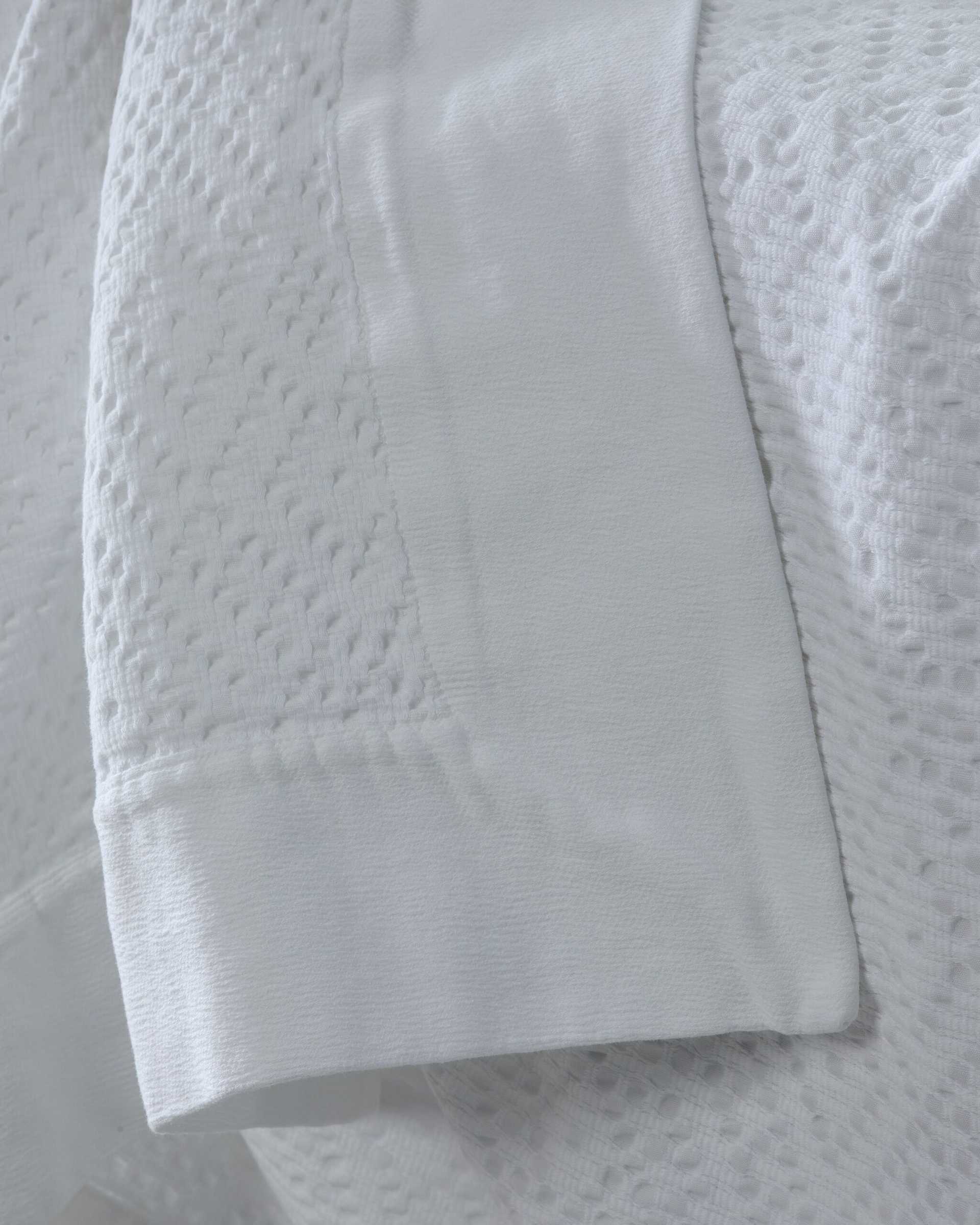
Do not overlook the surrounding textiles. A duvet cover with a textured, cozy appearance may pair well with a smoother pillowcase and a more tactile decorative cushion. A cotton bedcover with a three-dimensional waffle weave, such as the [Tex Bedcover](/products/tex-bedcover-6763), can provide a textured foundation for simpler pillow covers. The aim is not to match every surface, but to give each material enough contrast to remain visible.
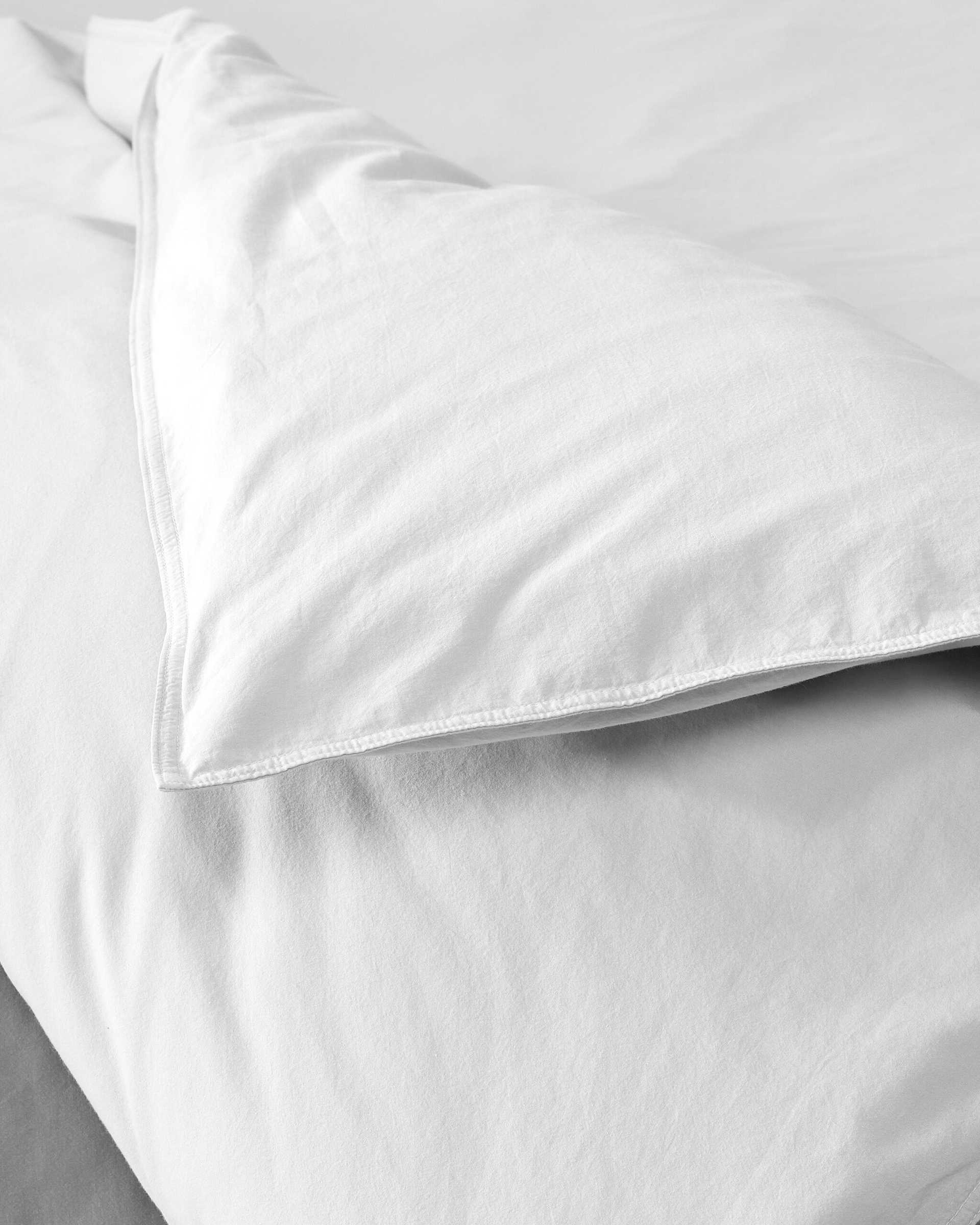
For a softer, more tonal setting, the [Tale Duvet Cover](/products/tale-duvet-cover-6770) offers garment-dyed cotton percale with depth of color and a textured look. It can serve as one element in a layered bed, alongside pillows that vary in shape or finish. When combining pieces, consider the entire bed rather than selecting each item separately; the overall balance matters more than any single pairing.
Make symmetry work without making the room feel stiff
Symmetry is an easy way to create order. Matching pillows at either end of a sofa or an even arrangement across a bed can make a room feel calm and polished. It is especially useful when the furniture itself has a strong central line, such as a bed with a centered headboard.
But symmetry is a choice, not a rule. A more relaxed arrangement can feel natural when the room has an informal character or when the furniture is not perfectly balanced. Try repeating one element—such as color, fabric, or shape—while varying another. Two pillows in the same palette but different textures, for example, can feel connected without being twins.
Whether the arrangement is symmetrical or relaxed, leave some negative space. Empty space is not a styling failure; it keeps the furniture usable and allows the pillows to stand out. If a sofa seems crowded, remove one cushion before buying another. If a bed looks overly formal, shift the sizes or introduce a different texture rather than filling every available inch.
Choose covers and fillings for real life
Decorative pillows are part of a living space, not just a photograph. Their covers need to suit the way the room is used. In a busy family room, a fabric that can tolerate frequent handling and straightforward care may be more practical than a delicate finish. In a quieter bedroom, you may be comfortable choosing a more specialized textile for its particular look or feel.
Removable covers can make upkeep easier, but care instructions still matter. Fiber content, weave, dye, and embellishments can affect how a cover should be cleaned. Follow the maker’s guidance rather than assuming that every decorative pillow can be washed the same way. A pillow insert also affects the finished shape: a full insert creates a plumper outline, while a softer fill may look more relaxed. The cover and insert should work together rather than pulling against one another.
Consider whether the pillow will be used for support or display. A decorative cushion placed behind the back may need a firmer, more resilient fill than one that sits at the front of a bed. If comfort is a priority, test how the pillow feels in its intended position. A carefully styled arrangement is more successful when it remains easy to live with.
A simple method for styling a bed or sofa
When a room feels unfinished, it can be tempting to purchase several pillows at once. A more reliable approach is to work in stages. Begin with the largest, simplest piece that suits the furniture. Add a second shape or texture that contrasts without competing. Step back, then decide whether the arrangement needs another accent or already feels complete.
- Set the purpose. Decide whether the pillows are primarily for comfort, decoration, or a combination of both.
- Choose the scale. Relate the largest pillow to the dimensions and depth of the furniture.
- Introduce shape variation. Pair squares with a rectangle, or use one sculptural shape as a restrained accent.
- Mix surfaces. Combine a smooth fabric with a contrasting weave or finish, keeping comfort and care in mind.
- Review the palette. Connect the pillows to colors already in the room, then add a single point of contrast if needed.
- Edit the arrangement. Remove anything that crowds the furniture or distracts from the room as a whole.
This process keeps pillow styling flexible. If the room changes with the season, covers can be exchanged or rearranged without rebuilding the entire scheme. A lighter, more open arrangement may feel appropriate in warmer months, while a richer texture can add a sense of comfort when the room is used for cozy evenings. The furniture remains the anchor; the pillows provide the adaptable details.
Common styling missteps—and easy fixes
Too many pillows: If cushions cover the seat or require constant rearranging, edit the group. A smaller number with a clear relationship often looks more intentional than a crowded assortment.
Every surface looks the same: A matching set can feel polished, but an arrangement may lack depth if all the pillows share the same fabric and finish. Introduce contrast through weave, shape, or subtle changes in color.
Scale is out of balance: A small pillow can look lost on a large sofa, while an oversized one can dominate a narrow chair. Reconsider the dimensions in relation to the furniture, not just the pillow itself.
Decorative pieces are uncomfortable: If pillows are used every day, the arrangement should support that. Move highly ornamental cushions to a less frequently used spot, or choose shapes and covers that feel as good as they look.
There is no focal point: When every cushion has a bold pattern, unusual shape, or strong texture, the eye may not know where to rest. Let one feature lead and allow the other pillows to support it.
The finishing touch is knowing when to stop
Decorative pillows are most effective when they feel connected to the room rather than added simply to fill space. Shape brings rhythm, texture gives the eye and hand something to discover, and scale keeps the arrangement in proportion to the furniture. Color can unite the pieces, but it does not need to do all the work.
Start with what the room already offers. Notice the bed’s width, the sofa’s depth, the character of nearby textiles, and the way the furniture is used. Then choose a small number of pillows that contribute something distinct: a more supportive shape, a tactile surface, a gentle color contrast, or a softer line against structured upholstery.
The result need not be elaborate to feel finished. A well-sized square, a contrasting rectangle, and a thoughtful mix of surfaces can be enough. When the pillows are comfortable, proportionate, and in conversation with the room’s other fabrics, the space feels welcoming without feeling overdone.