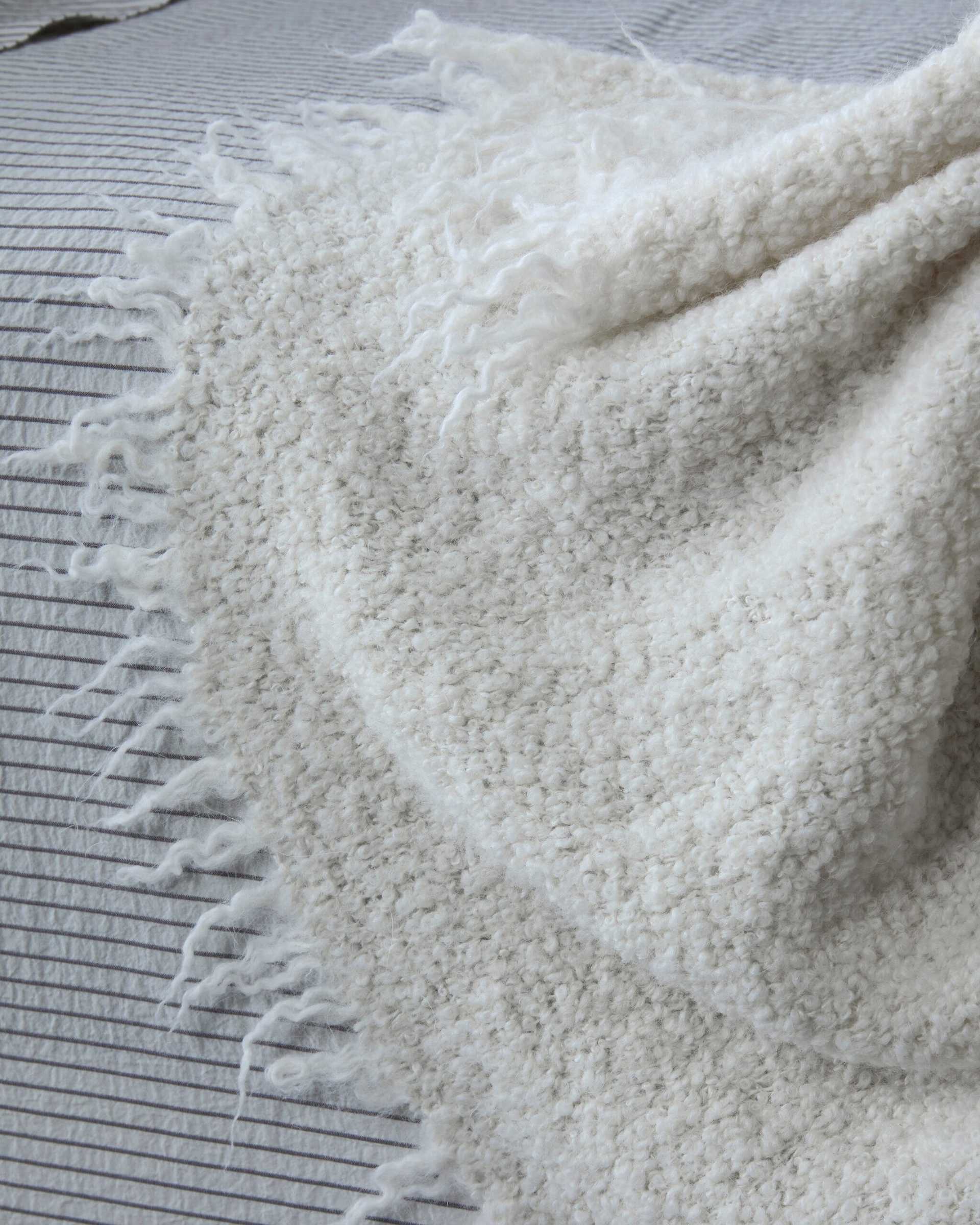
Blankets provide essential warmth, comfort, and insulation for varied climates and sleeping preferences. In this category, materials, weave, and weight are primary considerations that influence thermal regulation, moisture management, and breathability. Understanding these features helps align blanket choices with personal sleep quality, room temperature, and layering strategies for bedding environments.
One notable option is the Des Blanket, designed to balance softness and durability with a medium warmth profile. Its fabric composition typically emphasizes hypoallergenic fibers and a smooth hand feel, making it suitable for sensitive skin. The Des Blanket supports consistent body temperature and can be used across seasons as a transitional layering piece in bedding systems.
The Tuis Blanket exemplifies versatile warmth coupled with practical durability. This blanket often combines lightweight construction with a cozy fabric surface, enabling easy handling and year-round use. Functional benefits include ease of care, durable stitching, and a comfortable drape that enhances relaxation without excessive bulk in bed or throw placements.
Beyond individual performance, blanket selection intersects with broader bedding considerations such as coordinating with sheets, pillows, and clothing and accessories for sleep wellness. Breathable materials, natural fibers, and appropriate weave constructions contribute to reduced night sweats and improved air circulation, supporting healthier sleep environments.
Understanding use cases helps clarify how blankets relate to bedding ecosystems, including down pillows, layered quilts, and alternative textile options. By evaluating warmth ratings, fiber content, and care guidelines, individuals can optimize comfort, durability, and maintenance while integrating blankets with existing linen ensembles for restful nights.
 Bedding